
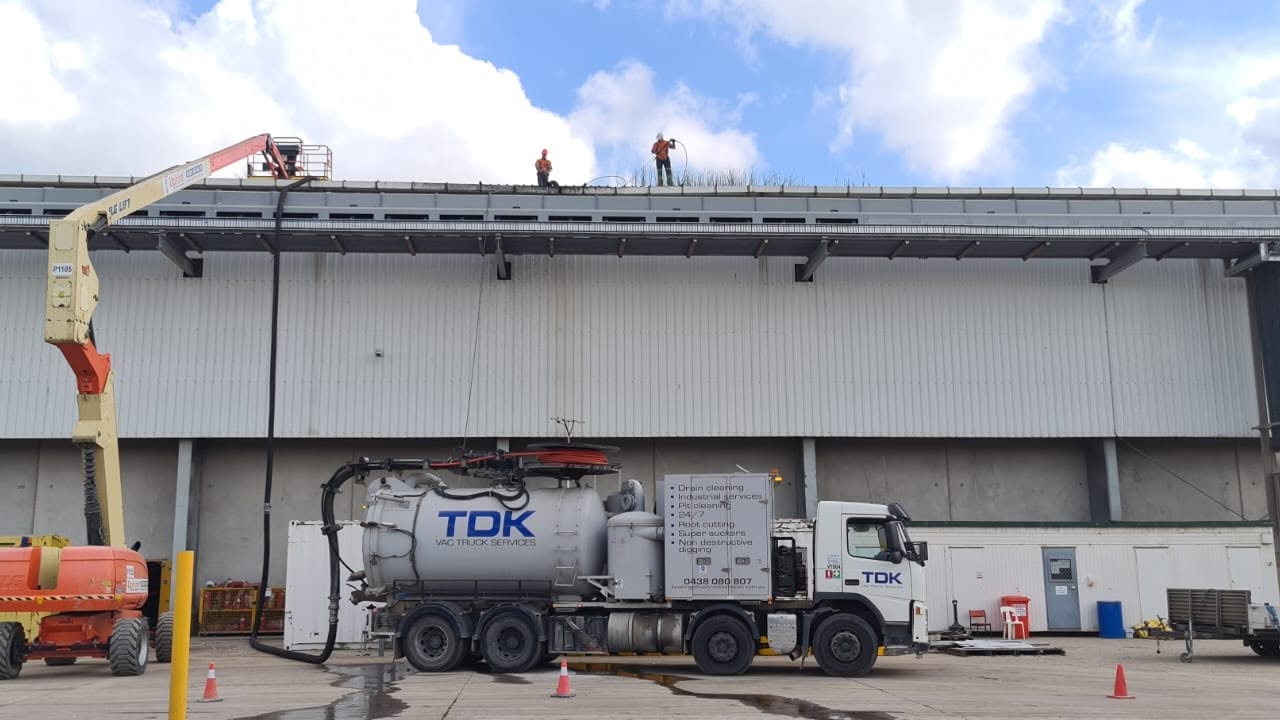
Trenching is one of those construction tasks that can look straightforward from the surface. Dig a narrow section, remove the spoil and create enough space for pipes, cables or other services. In practice, however, trench work can become complicated very quickly when the ground contains existing utilities, the work area is tight or the excavation needs to meet specific site requirements.
For that reason, choosing suitable trenching services Sydney projects can rely on is about more than simply getting a machine onto the site. The excavation method, depth, soil conditions, underground assets, access and surrounding structures all need to be considered before digging begins. A well-planned approach can make the work easier to manage and reduce unnecessary delays.
What Are Trenching Services?
Trenching involves creating a narrow excavation in the ground for a particular construction, civil or infrastructure purpose. Depending on the project, a trench may be required for water pipes, sewer lines, electrical cables, telecommunications infrastructure, drainage or other underground services.
The required dimensions will vary from one job to another. A shallow service trench on an open site is very different from a deeper excavation beside an existing road or around live underground infrastructure. This is why trenching services Sydney contractors provide need to be planned around the actual conditions found at each location.
Trenching can also form part of a larger excavation project. For example, a civil contractor may need a trench prepared before installing new utilities, while an infrastructure project may require existing services to be exposed before another section of work can proceed.
Why Trenching Requires Careful Planning
The biggest mistake with trench excavation is assuming that the visible surface tells the whole story. Underground conditions are not always obvious, particularly on developed sites where several generations of utilities may already be present.
Before work starts, contractors need reliable information about underground essential services. SafeWork NSW advises that information about underground essential services at the worksite and adjacent areas should be obtained before excavation begins and provided to those carrying out the work.
Planning also needs to consider access for excavation equipment, where excavated material will be placed, traffic around the work zone and how workers will safely enter or work around the excavation. These details can have a direct effect on the time and equipment required.
Common Applications for Trenching in Sydney
There is no single type of project that requires trenching. The method is used across civil construction, utilities, infrastructure and industrial work, with the exact requirements depending on what needs to be installed or accessed.
Some projects involve new utility installation, while others require controlled excavation to reach an existing pipe or cable. Trenching may also be needed when damaged underground infrastructure has to be repaired or replaced.
Common applications include:
- Utility and service installation
- Water and sewer infrastructure
- Electrical and telecommunications works
- Drainage and pipe installation
- Civil construction projects
- Access to existing underground services
- Infrastructure upgrades and maintenance
The location of the trench can be just as important as its purpose. An excavation through an undeveloped area presents different challenges from one beside a busy road, commercial property or established infrastructure.
Trenching Around Existing Underground Services
Existing underground infrastructure is one of the main reasons excavation work needs to be approached carefully. Water pipes, sewer lines, electrical cables, gas infrastructure and telecommunications assets can occupy the same general area.
Mechanical excavation can become less suitable when the precise position of a service is uncertain or when digging needs to occur close to a sensitive asset. This is where non-destructive methods can offer an alternative for controlled excavation.
Hydro excavation uses high-pressure water to break up soil while vacuum equipment removes the loosened material. This allows workers to expose underground assets with greater control and is particularly useful for service exposure, potholing and excavation around existing infrastructure.
For projects requiring trenching services Sydney contractors can coordinate with other excavation methods, the right approach depends on the location, ground conditions and the purpose of the trench.
How Hydro Excavation Can Support Trenching
Hydro excavation is not necessarily a replacement for every type of conventional excavation. Instead, it can be useful where precision matters or where underground services make traditional digging more difficult.
Water breaks up the surrounding soil, and the vacuum system removes the loosened material. The process can provide a clearer view of buried infrastructure while limiting the need for aggressive mechanical digging directly around sensitive services.
This makes hydro excavation useful for potholing, service exposure, utility installation and difficult access areas. The method is also described by the service provider as suitable for road works, commercial developments, infrastructure projects, industrial sites and government works.
When trenching services Sydney projects involve existing utilities, discussing whether hydro excavation or another controlled method is appropriate can help the project team select a more suitable approach from the beginning.
The Difference Between Trenching and Non-Destructive Digging
The terms are sometimes used together, but they describe different aspects of excavation work. Trenching refers to the excavation itself and the shape or purpose of the opening being created.
Non-destructive digging, on the other hand, describes a method used to expose underground services while reducing the likelihood of damaging them. It commonly uses water and vacuum extraction rather than relying solely on mechanical excavation.
A project may therefore involve trenching and non-destructive digging at different stages. For example, a contractor may first expose an existing service using controlled excavation before completing a larger trench for a new installation.
This combination can be particularly useful where the work area contains several underground assets or where accurate service exposure is required before the main excavation proceeds.
What Should Be Considered Before Digging?
Every site has its own conditions, so there is no universal excavation method that works for every project. Before starting trenching services Sydney work, the project team should consider the intended trench dimensions, surrounding structures and the location of known underground services.
Soil stability is another important consideration. Wet, loose or disturbed ground can behave differently from compacted or stable material. Weather, vibration from nearby equipment and vehicle movement can also affect the excavation environment.
Access should not be overlooked either. A site may have enough room for excavation in theory but still be difficult to reach with larger equipment. Restricted access may influence the machinery, excavation method and sequence of the work.
Trench Safety Should Be Part of the Planning
Trenching is not simply a matter of removing soil. An open excavation introduces hazards such as ground collapse, falling objects, falls into the excavation and contact with underground services.
Safe Work Australia identifies trenches as excavation work and highlights hazards including falling or dislodged earth or rock, falls, vibration, hazardous noise and airborne contaminants. It also states that excavation work requires risks to be identified, assessed where necessary and controlled.
For trenches at least 1.5 metres deep, additional controls apply under the model excavation guidance. These can include shoring, shielding, benching or battering, depending on the circumstances.
The exact requirements applicable to a project should always be confirmed with the relevant workplace health and safety authority and competent site professionals.
A Simple Look at the Trenching Process
Although every project is different, a typical trenching job follows a logical sequence. The first stage is understanding what the trench needs to achieve and identifying known underground services before excavation begins.
The work area can then be assessed for access, ground conditions, equipment requirements and potential hazards. Where underground services need to be exposed, non-destructive methods may be considered before or during the main excavation.
Once the work method has been established, excavation can proceed under the site’s safety controls. The trench can then be prepared for the intended installation, repair or infrastructure work.
Good coordination between the excavation crew, project manager and other contractors is particularly important when several trades are working in the same area.
Choosing the Right Excavation Method
The most appropriate method depends on what is below the surface and what needs to be achieved. Conventional excavation may be suitable for open areas where underground service risks are understood and there is sufficient working space.
Hydro excavation can be a better fit where precision is required, particularly around existing underground infrastructure. It can also assist with potholing, utility exposure and difficult areas where controlled soil removal is useful.
For trenching services Sydney projects, the decision should be based on practical site conditions rather than choosing an excavation method simply because it was used on a previous project.
Factors That Can Influence the Method
| Project factor | Why it matters | Possible consideration |
| Underground services | Existing pipes and cables can create excavation risks | Service locating and controlled exposure |
| Trench depth | Deeper excavations can require additional controls | Shoring, shielding, benching or battering |
| Site access | Restricted areas may limit equipment choices | Smaller or specialised excavation equipment |
| Soil conditions | Ground can vary considerably between sites | Appropriate excavation and support methods |
| Project purpose | Installation, repair and exposure have different needs | Match the excavation method to the task |
| Surrounding activity | Roads, vehicles and nearby structures can affect the work area | Traffic and site management controls |
This planning stage can prevent avoidable problems once excavation is underway. It also gives the project team a clearer understanding of equipment, access and safety requirements before work begins.
Why Experienced Trenching Contractors Matter
Excavation work often sits within a much larger construction schedule. If a trench is delayed, incorrectly positioned or affected by an unexpected underground service, other trades may also be forced to wait.
Experienced trenching services Sydney providers understand that the job is not just about digging. They need to work around existing conditions, communicate with the wider site team and use equipment that suits the task.
Experience is particularly valuable on active civil and infrastructure sites where space is limited and several activities may happen at the same time. A practical excavation plan can make coordination much easier.
It is also worth checking whether the contractor has experience with the type of work being proposed. Civil construction, utility installation, industrial excavation and service exposure can each present different requirements.
When Hydro Excavation May Be the Better Option
Hydro excavation is particularly useful when the priority is controlled removal of soil around buried infrastructure. It can expose water, sewer, gas, electrical and telecommunications assets while reducing reliance on mechanical digging in sensitive areas.
It can also help where access is restricted or where the excavation needs to be completed around existing infrastructure. Instead of approaching every section of ground in exactly the same way, the excavation method can be adapted to the site.
This makes hydro excavation a useful part of many trenching services Sydney projects, especially during service exposure and preparation for utility works.
However, the best method should always be determined after considering the actual site, the scope of work and relevant safety requirements.
Questions to Ask Before Booking Trenching Work
Before engaging a contractor, it is sensible to explain the full scope rather than only providing a basic request for a trench. The contractor will generally need information about the site, intended work, approximate dimensions, access and any known underground infrastructure.
Ask whether the contractor has suitable equipment for the location and whether they have experience with comparable civil or infrastructure projects. If the site is particularly restricted, mention this early so the excavation method can be considered properly.
It is also useful to discuss scheduling. Trenching often needs to happen before another contractor can install pipes, cables or other services, so delays can have a knock-on effect across the project.
For larger or higher-risk excavation work, the site team should also ensure that the required documentation, supervision and risk controls are in place.
Why Safe Planning Can Save Time
Safety and efficiency are not separate issues on an excavation site. Poor planning can create both safety problems and delays, particularly if workers discover an unexpected underground service after excavation has already started.
Safe Work NSW specifically highlights underground essential services, trench collapse and work around trenches as significant risks. It recommends appropriate controls, competent supervision and suitable work methods for excavation activities.
Taking time to understand the site before digging can therefore help prevent interruptions later. It may also make it easier to determine where controlled excavation or hydro excavation should be used.
For project managers, this is one of the most useful reasons to treat trenching services Sydney as a planned construction activity rather than a standalone digging task.
Planning Trenching Work in Sydney
Sydney construction sites can vary considerably, from open civil works and infrastructure projects to compact commercial locations surrounded by existing services. That variation means excavation planning needs to be practical and site-specific.
If the project involves utility installation, service exposure, pipe access or excavation around existing infrastructure, the right equipment and method should be discussed before work begins. Controlled excavation can be particularly valuable where underground assets need to be exposed carefully.
A clear scope also helps contractors understand what the project requires before arriving on site. Providing information about access, known services, trench dimensions and the intended installation can make the initial discussion much more productive.
Whether the work involves a small section of utility trenching or a larger civil project, proper preparation remains one of the simplest ways to avoid unnecessary complications.
Final Thoughts
Good trenching is about much more than removing soil from the ground. Underground services, soil conditions, access, excavation depth and site safety all influence how the work should be approached.
For construction and infrastructure projects, trenching services Sydney work can be supported by controlled excavation techniques such as hydro excavation when conditions call for greater precision. The right method can help teams expose services, prepare installation areas and work more confidently around existing infrastructure.
If you are planning excavation, utility exposure or trenching work, TDK Industrial Services can discuss the project requirements and suitable excavation approach. Visit the hydro excavation service page to learn more, review the industrial and excavation services available, or contact the team to discuss your project.
Frequently Asked Questions
1. What are trenching services used for?
Trenching is commonly used to create narrow excavations for underground pipes, cables, drainage systems, utilities and other infrastructure. The required trench size and excavation method depend on the project, ground conditions and what needs to be installed or accessed.
2. Do underground services need to be identified before trenching?
Yes. Underground services should be identified before excavation begins. Water, gas, electrical, sewer and telecommunications infrastructure may be present beneath the work area. Knowing their location helps the project team select suitable excavation methods and establish appropriate safety controls.
3. When is hydro excavation useful for trenching work?
Hydro excavation can be useful when soil needs to be removed carefully around existing underground services. It uses pressurised water to loosen the ground and vacuum equipment to remove the material, making it suitable for service exposure, potholing and excavation in areas where precision is important.
4. How deep can a trench be excavated safely?
There is no single safe depth that applies to every site because ground conditions, soil stability, surrounding activity and other factors need to be considered. Additional controls are particularly important for deeper excavations. Australian workplace guidance should be followed, with suitable protective systems and competent supervision used where required.
5. How should I prepare a site before trenching begins?
Start by clearly defining the purpose and dimensions of the trench and providing information about known underground services. Access, soil conditions, nearby structures, traffic and the location of excavated material should also be considered. Giving the excavation contractor as much site information as possible can help them determine the appropriate equipment and work method.